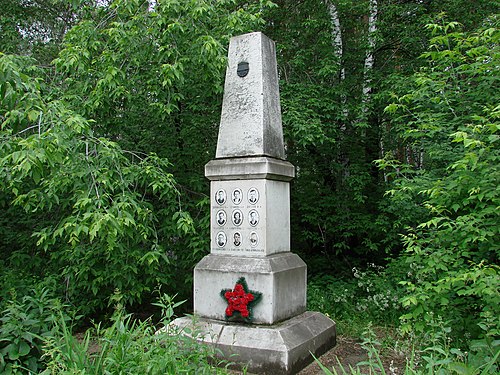
The Dyatlov Pass Incident — A Mystery Frozen in Time
“Of nine voices lost to the snow, only one survivor carried questions heavier than the mountain itself.”
The Stage is Set: Ural Mountains, 1959
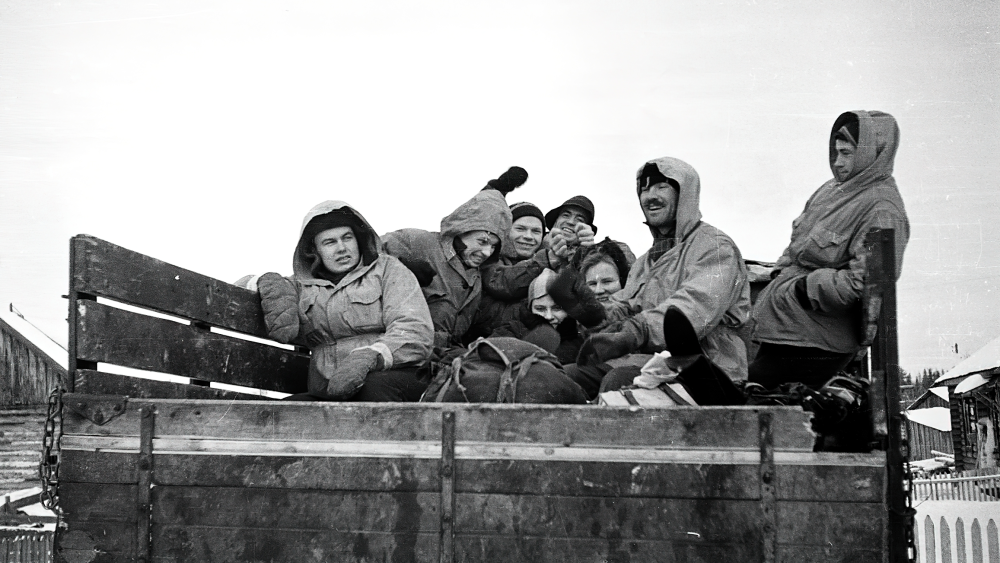
In late January 1959, nine experienced hikers from the Ural Polytechnical Institute set out for what was supposed to be an exhilarating skiing expedition across the frozen wilderness of the northern Ural Mountains in Soviet Russia.
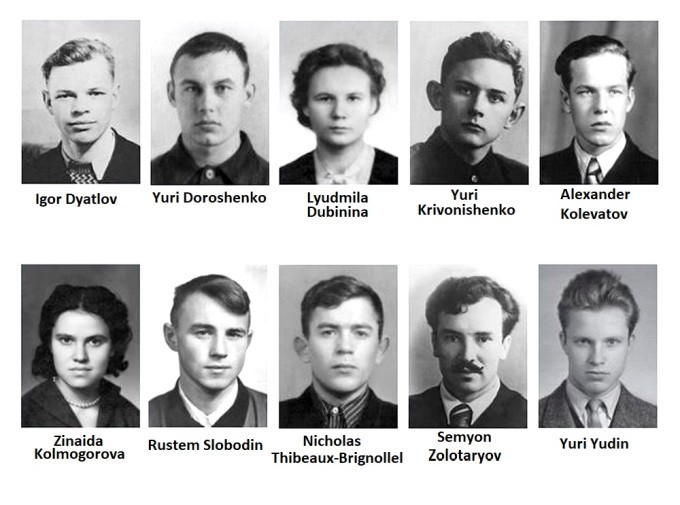
Their leader, Igor Dyatlov, 23, was respected among mountaineers. The team — seven men and two women — all had previous long-distance hiking experience.
But there was supposed to be a tenth member.
The 10th Hiker — Yuri Yudin

Yuri Yudin, plagued by rheumatism and back pain, made the decision to turn back just days into the trip.
That choice would save his life — and haunt him for the rest of it.
“I should have been with them,” he told interviewers years later. “Sometimes survival feels like punishment.”
Yudin would spend decades giving interviews, identifying recovered belongings, and voicing skepticism about official conclusions. Until his death in 2013, he maintained that the truth was hidden.
Into the Mountain of the Dead
On January 31, the group reached the edge of a high pass near Kholat Syakhl — translated from the Mansi language as Mountain of the Dead.
On February 1, they pitched their tent on an exposed slope, despite the worsening weather.
Why they didn’t seek the safety of nearby forest cover remains debated — some think Dyatlov wanted to train the group in harsh conditions.
That night would be their last.
The Search Begins
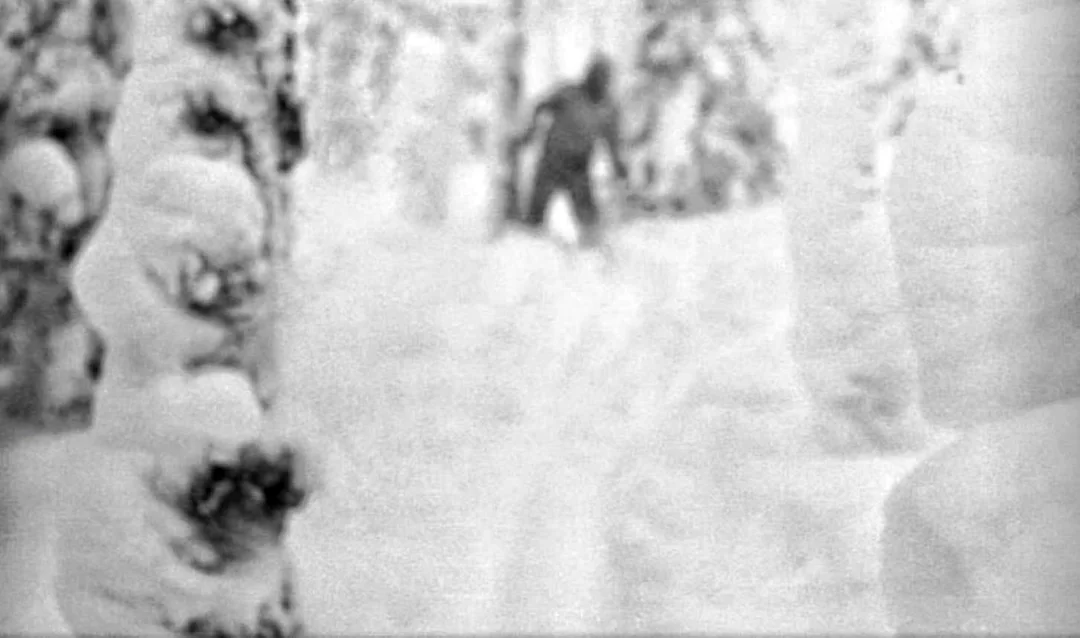
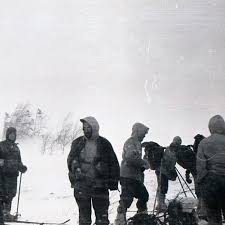
When the hikers failed to return, search parties went out. On February 26, 1959, rescuers found the tent — half-buried, slashed open from the inside.
Inside: boots, coats, food — untouched.
Tracks led away from the tent toward a forest… barefoot and in socks.
The Grim Discoveries
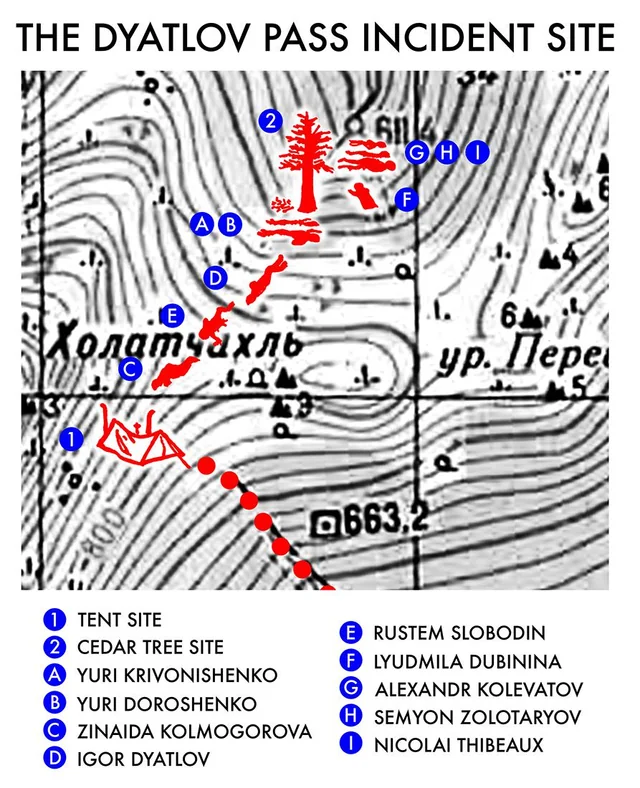
Over the next three months, the nine bodies were found in stages:
- First two: under a cedar tree, barefoot, dressed in only underwear.
- Three more: between the cedar and tent, appearing to have died while trying to return.
- Last four: discovered in May under deep snow in a ravine.
Forensic Findings
Post-mortems revealed disturbing details:
- Skull fractures and rib fractures consistent with extreme force — like a car crash.
- No external wounds to match the internal trauma.
- One hiker missing her tongue, eyes, and facial tissue.
- Radiation traces on some clothing.
“The bodies could not speak — but their injuries screamed.”
The 1959 Soviet Investigation
The official conclusion? Deaths were caused by a “compelling natural force”.
The case was quickly closed, and the pass was restricted for three years.
Families questioned the speed and secrecy. Some believed the Soviet military was involved — whether through weapons testing, accidental bombing, or chemical exposure.
Interviews & Eyewitness Accounts
- Lev Ivanov, the lead investigator, later claimed he was pressured to close the case without full disclosure.
- Yuri Yudin insisted the hikers were forced from their tent by other people — perhaps armed.
- Evgeny Tchernousov, a later prosecutor, pushed for a homicide angle.
- Survivor friends described Dyatlov as cautious and unlikely to camp on such an exposed slope without reason.
Later Investigations
2013: Renewed Public Pressure
In the 2010s, researchers and journalists pushed for reopening the case. New forensic techniques raised doubts about the avalanche theory.
2019: Official Reopening
Russian prosecutors announced they would re-investigate.
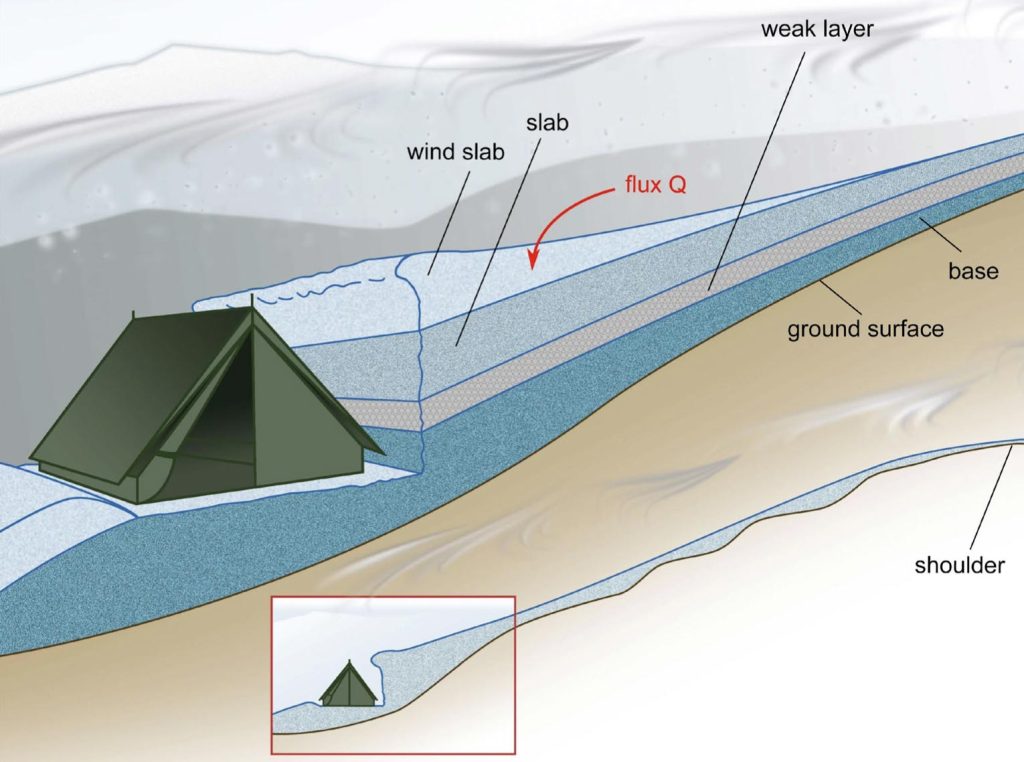
By 2020, they concluded the cause was a slab avalanche — a small section of snow breaking off hours after the tent was pitched.
Swiss scientists Johan Gaume and Alexander Puzrin supported this with computer modeling, showing how wind and slope angle could trigger such an event without leaving obvious avalanche traces.
10. Theories That Still Haunt
Avalanche (Official)
- Explains crushing injuries.
- Doesn’t explain radiation, missing soft tissue, or why experienced hikers camped in danger.
Katabatic Winds
- Sudden, violent winds cause panic evacuation.
Military Testing
- Parachute mines or chemical weapons could explain injuries and contamination.
- Fits with restricted area and secrecy.
Infrasound
- Low-frequency vibration could cause disorientation and fear.
UFO Encounters
- Eyewitnesses reported strange lights in the sky that night.
Mansi Tribe Attack
- No footprints or evidence supported this theory.
Yuri Yudin’s Last Words
“If I had stayed, I would have died with them. But maybe it’s better than knowing nothing forever.”
Until his death, Yudin believed the hikers were driven from the tent by external forces. He called the official avalanche explanation “convenient but incomplete.”
The Legacy of the Dyatlov Pass Incident
Today, Dyatlov Pass is a magnet for mystery seekers, conspiracy theorists, and mountaineers.
Its name has become shorthand for unsolved outdoor tragedies — a case where evidence is both abundant and maddeningly inconclusive.